The Selmo Method for controlled machine behavior

Transparency and governance over the entire machine lifecycle.

A formal standard for decidable machine behavior.

It enables transparency, traceability and governance across the entire
lifecycle of production systems.


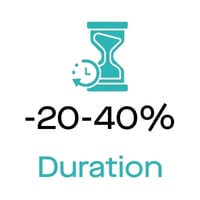
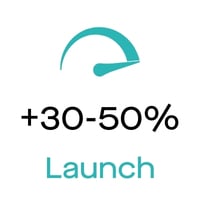
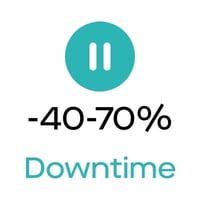
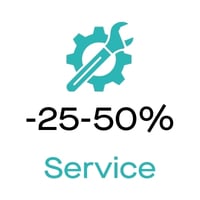
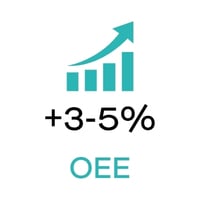
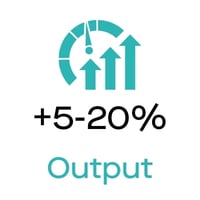
Duration Launch Downtime Service OEE Output

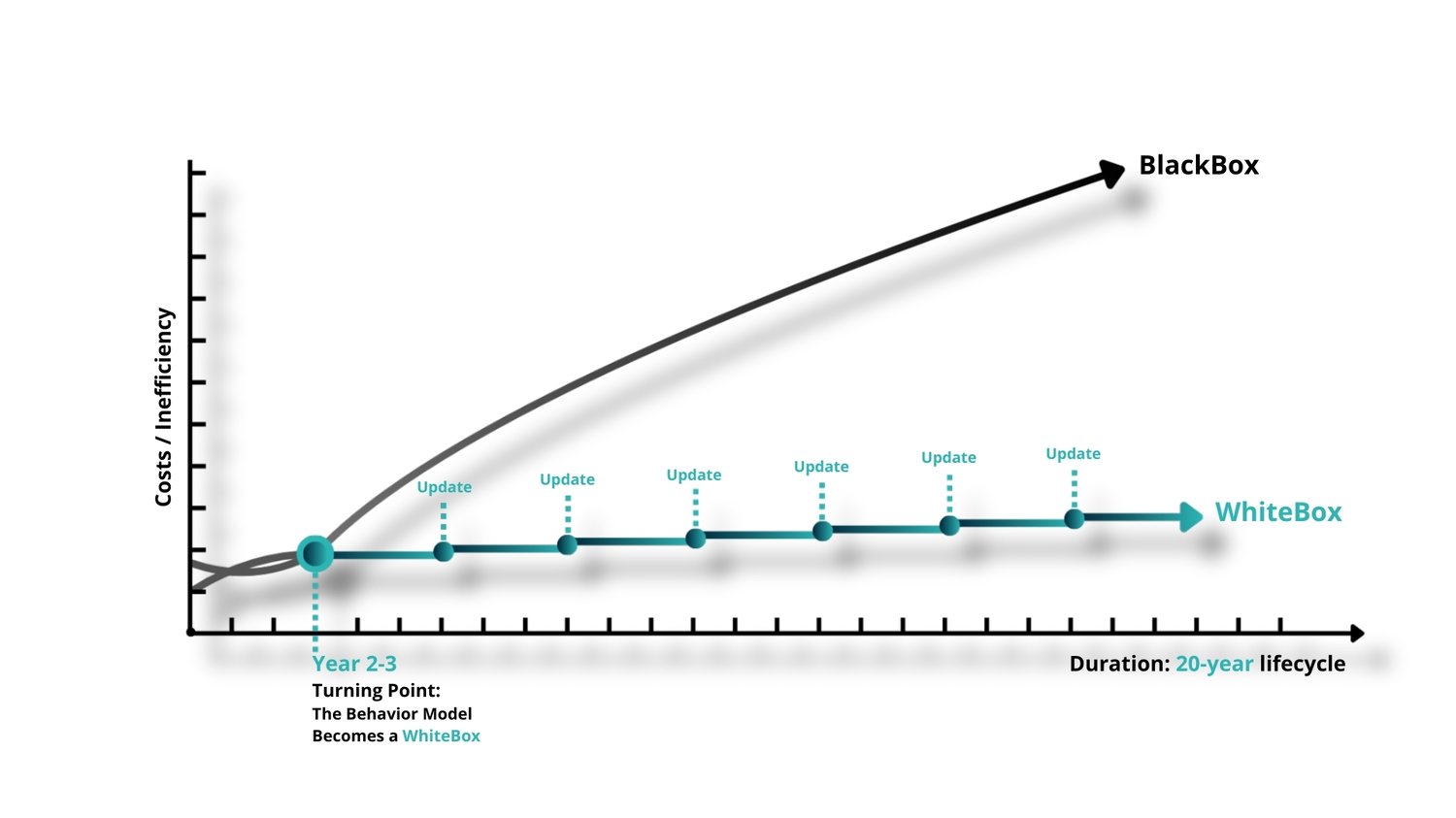
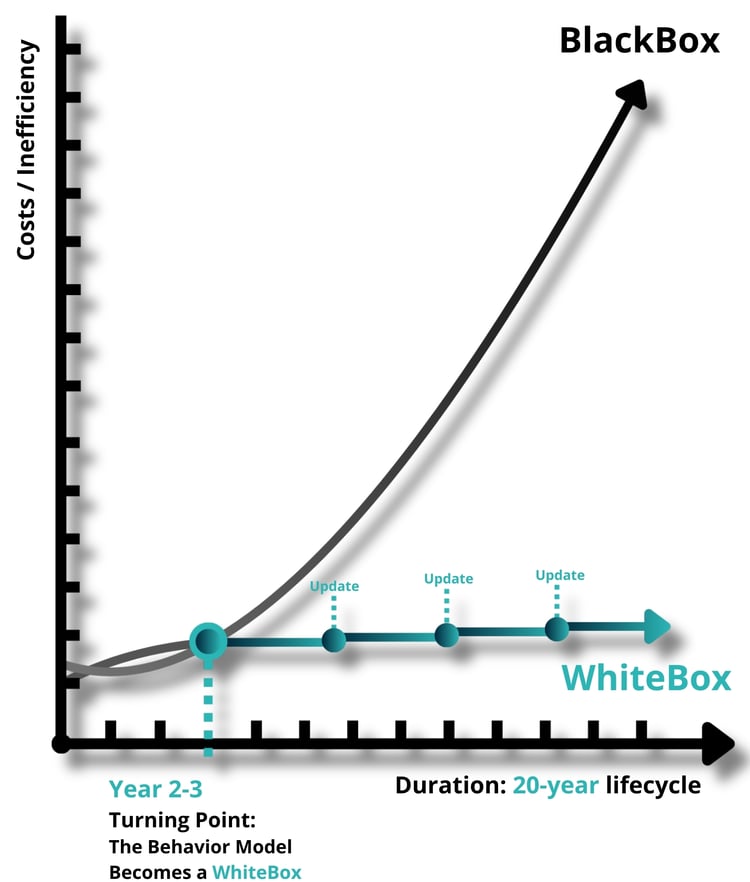
If you don't own the behavior, you don't own the asset.

The industry invests millions in long-lasting systems, but makes decisions based on short-term project costs.
Today, it optimizes individual projects, not operations over the entire lifecycle.
 
Method_diagram_ENG_002
Method_diagram_mobile_ENG_002

WhiteBox Asset Governance

A structural governance framework for deterministic machine behavior.
Framework

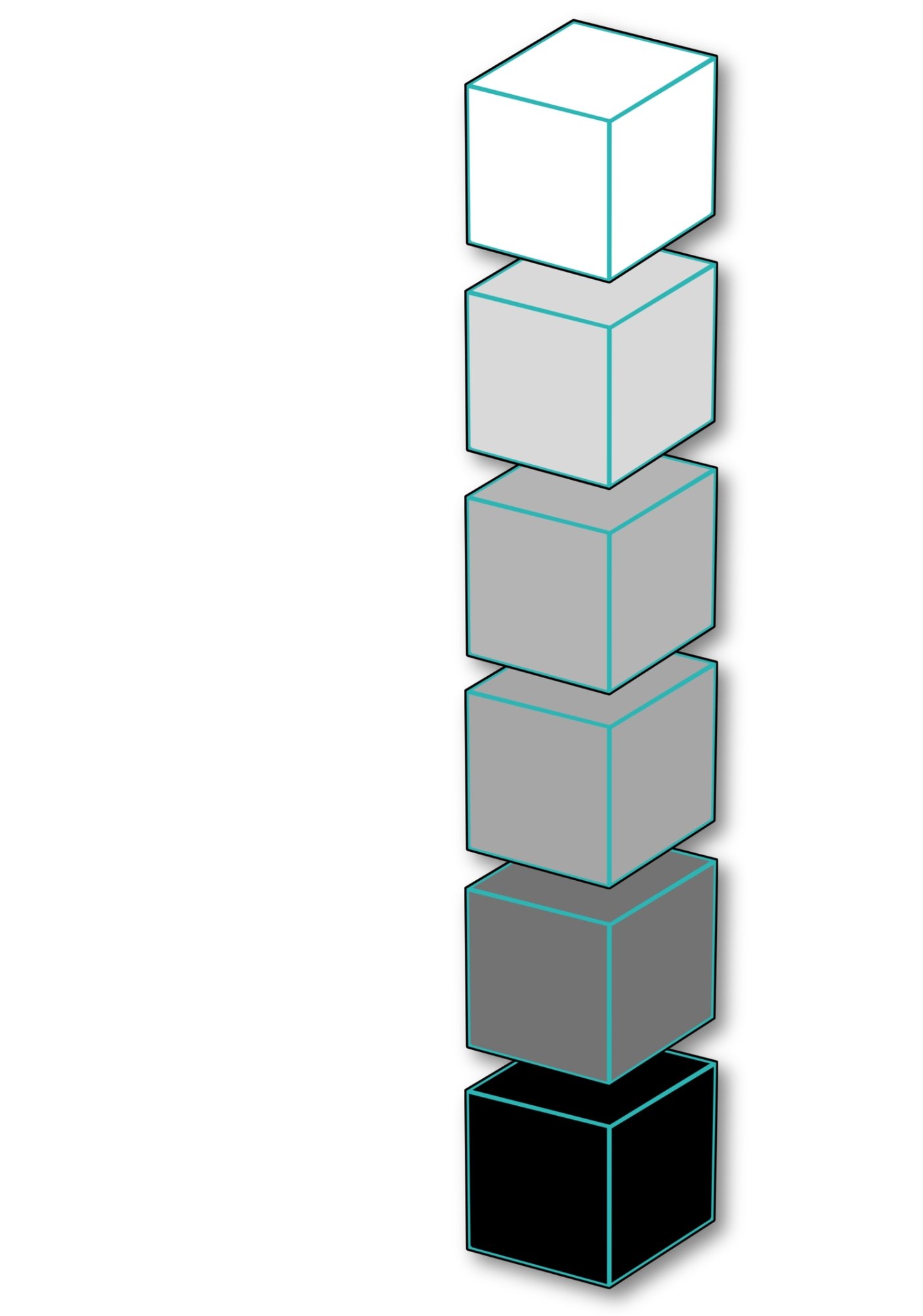
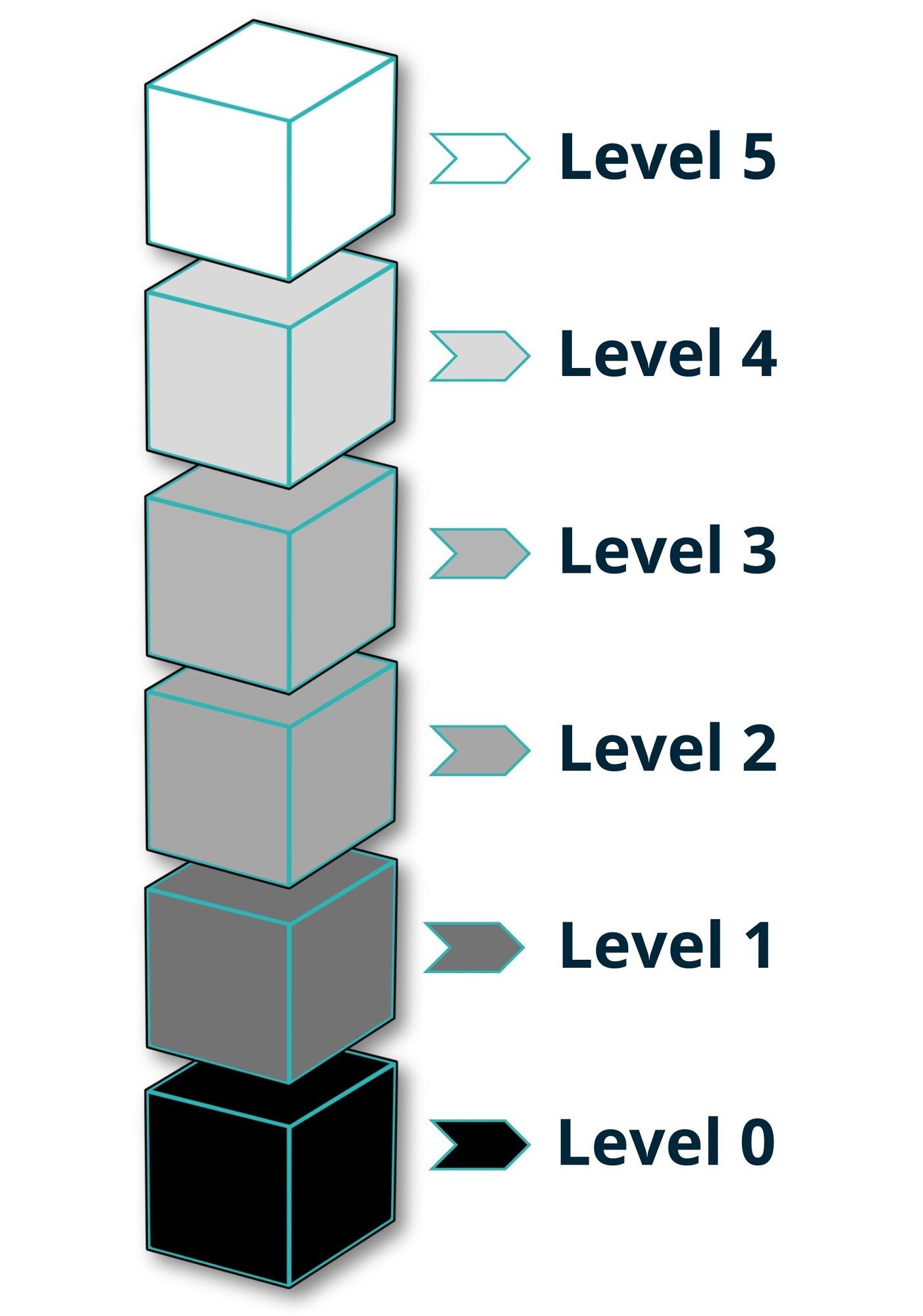
05/ Level 5: Complete whitebox

Model-generated code, integrated diagnostics, complete manufacturer independence.

04/ Level 4: Deterministic diagnosis

The system recognizes deviations automatically and the operator can see immediately why a machine is at a standstill.

03/ Level 3: Modeled behavior (Introduction to Selmo)

Behavior is described as a deterministic system model.

02/ Level 2: Structured logic

Module structure recognizable, but not formally described.

01/ Level 1: Documented function

The function is described, but the actual behavior of the software often deviates from this.

00/ Level 0: Black box

Behavior only exists in the code. No control.

WhiteBox Asset Governance

A structural governance framework for deterministic machine behavior.
Framework_mobile
Level 0: Black box
Behavior only exists in the code. No control.
Level 1: Documented function
The function is described, but the actual behavior of the software often deviates from this.
Level 2: Structured logic
Module structure recognizable, but not formally described.
Level 3: Modeled behavior
               (Introduction to Selmo) 
Behavior is described as a deterministic system model.
Level 4: Deterministic diagnosis
The system recognizes deviations automatically and the operator can see immediately why a machine is waiting.
Level 5: Complete whitebox
Model-generated code, integrated diagnostics, complete manufacturer independence.

Description of our system

 
The Selmo Method is based on a deterministic system. It is characterized by:

01/ Formal behavior modeling

Every state, every action and every transition is explicitly defined.

02/ Deterministic state architecture

The model is completely consistent, with no hidden paths or
undefined states.

03/ Behavior verification before execution

The complete behavior is validated as correct before it is implemented in control logic.

04/ Consistent traceability

Every decision remains transparent and verifiable from the request to operation.

05/ Standardized behavior across organizations

The same behavioral language applies across teams, locations
and suppliers.

Description of our system

 
The Selmo Method is based on a deterministic system. It is characterized by:
01/ Formal behavior
       modeling
Every state, every action and every transition is explicitly defined.
02/ Deterministic state
       architecture
The model is completely consistent, with no hidden paths or undefined states.
03/ Behavior verification
       before execution
The complete behavior is validated as correct before it is implemented in the control logic.
04/ Consistent traceability
Every decision remains transparent and verifiable, from the initial request through to operation.
05/ Standardized behavior
       across organizations
The same behavioral language applies across teams, locations and suppliers.

Selmo does not optimize behaviour.
It defines it.

Behavior

A complete system for decidable machine behavior

Decisive machine behavior cannot be achieved through separate measures.
measures. It requires a closed, coherent system that defines behavior, validates correctness and maintains decisions over the entire life cycle. This is exactly what the Selmo Method is designed to do.
The Selmo Method integrates eight structural dimensions into a single deterministic framework:

01/ Formal behavior modeling

Machine behavior is defined mathematically, not described informally.

02/ Deterministic state architecture

All states and transitions are structured and explicitly defined.

03/ Upstream behavior verification

Behavior is validated before execution begins.

04/ Automatic logic derivation

The implementation is the direct result of the previously defined behavior.

05/ Structural traceability

Every decision remains verifiable from the defined target through to operation.

06/ Organizational standardization

A common language for machine behavior across teams and suppliers.

07/ Deterministic operating data

Every signal has context, meaning and reference.

08/ Lifecycle stability

Behavior remains correct despite changes, updates and extensions.
Behavior

A complete system for decidable machine behavior

Decisive machine behavior cannot be achieved through separate measures.
measures. It requires a closed, coherent system that defines behavior, validates correctness and maintains decisions over the entire life cycle. This is exactly what the Selmo Method is designed to do.
The Selmo Method integrates eight structural dimensions into a single deterministic framework:
01/ Formal Behavioral modeling
Machine behavior is defined mathematically, not described informally.
02/ Deterministic State
       architecture
All states and transitions are structured and explicitly defined.
03/ Upstream Behavioral
       verification
Behavior is validated before execution begins.
04/ Automatic logic derivation
The implementation is the direct result of the previously defined behavior.
05/ Structural Traceability
Every decision remains verifiable from the defined target through to operation.
06/ Organizational Standardization
A common language for machine behavior across teams and suppliers.
07/ Deterministic Operating data
Every signal has context, meaning and reference.
08/ Lifecycle stability
Behavior remains correct despite changes, updates and extensions.

Only an integrated system can ensure that machines
behave as specified across projects, suppliers and years behave as specified.

 
Structural control begins with a clear decision at management level.
Do you prefer e-mails?


Do you prefer e-mails?

*Illustrative values based on industry benchmarks and practical experience. May vary significantly depending on the application, industry, and operating conditions.